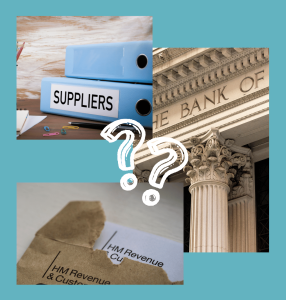
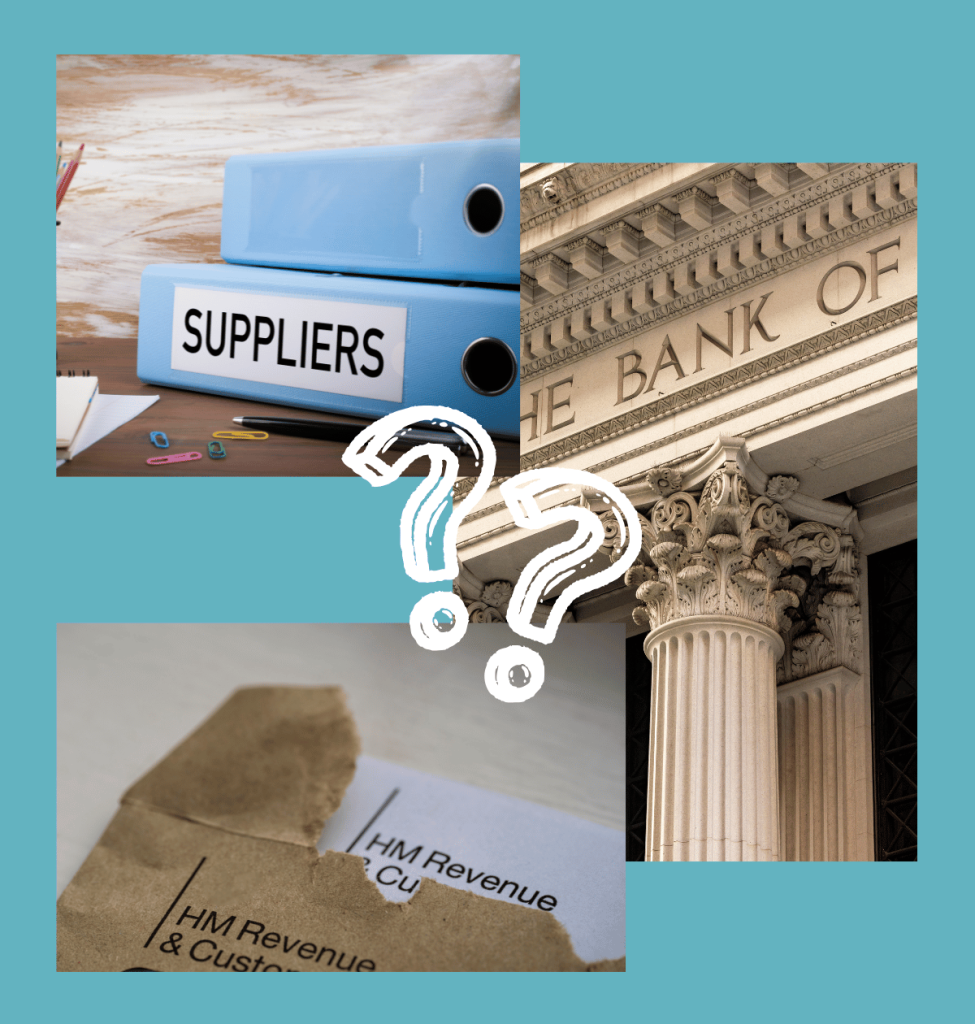
When cash flow becomes tight, company directors can quickly find themselves trying to decide which payment is most urgent. HMRC may be chasing overdue taxes, suppliers may threaten to stop deliveries, and overdraft limits may be reached. Staff wages and other bills keep coming due. When cash is short, it is tempting to pay the most urgent creditor first.
But this is also the point at which directors need to be particularly careful.
Temporary cash flow issues can often be managed, but if your business is insolvent, your responsibilities change. Paying one creditor ahead of others can cause problems. Understanding this distinction is crucial for protecting your business and yourself.
Cash Flow Problem or Insolvency?
If HMRC arrears are increasing, suppliers are threatening to stop trading with you, and your overdraft is permanently at its limit, these problems should not be considered separately.
A cash shortage does not always mean insolvency.
You might have a fundamentally viable business but be experiencing a temporary gap between money coming in and payments going out. For example, overdue customer invoices can coincide with VAT, wages, and supplier payments all falling due at once.
Your business is insolvent if debts cannot be paid or liabilities exceed assets. If you are regularly deciding which bills can be paid and which need to wait, this should be treated as a warning sign rather than normal cash flow management. At this stage, it’s vital to get a clear and honest picture of your company’s finances.
Should You Pay HMRC First?
Tax obligations remain even during cash flow issues. HMRC can act if taxes go unpaid. If you cannot pay tax in full, contact HMRC. They may offer a Time to Pay Arrangement. Only agree to repayment plans you can afford. Otherwise, it delays the problem. (Read our June blog on this for more information). It is also important to understand that certain HMRC debts have preferential status if a company enters formal insolvency. That does not mean a director of an insolvent company should decide to pay HMRC ahead of everyone else.
If insolvency is a concern, treat all creditors carefully.
What About Suppliers That You Need to Continue Trading With?
Supplier pressure can create a different problem.
A supplier might refuse to continue trading until overdue bills are paid, which can affect operations. It may seem logical to pay that supplier first. When the company remains solvent, directors will normally make commercial decisions about payments as part of running the business. However, if the company is insolvent, your duties change. You must focus on protecting the interests of all creditors.
Do not favour one supplier just to keep trading. This is especially true if considering paying connected parties or personally guaranteed debts.
And What About the Overdraft?
Using additional borrowing to pay existing debts can sometimes provide temporary breathing space, but it does not solve an underlying solvency problem. Before increasing borrowing, directors should understand whether the business has a realistic route back to sustainable positive cash flow.
What Changes When a Company Becomes Insolvent?
This distinction becomes especially important at this stage. When a company becomes insolvent, directors’ responsibilities shift towards protecting the interests of creditors.
Directors should protect company assets, avoid worsening creditors’ financial position and treat creditors appropriately rather than favouring particular parties. For example, paying a personally guaranteed company debt because you are concerned about your own personal exposure while leaving other creditors unpaid could become problematic. Likewise, repaying money owed to a director, family member or connected business while other creditors are unlikely to receive payment should be approached with extreme caution.
So, Which Debts Should You Actually Pay First?
Unfortunately, there is no responsible universal list telling directors to pay HMRC first, suppliers second, etc
The correct approach depends on the company’s financial position. If your business is solvent but experiencing a temporary cash flow shortage, the focus may be on cash flow forecasting, negotiating realistic payment arrangements, collecting outstanding invoices and managing creditors.
If insolvency is likely, the question changes.
Instead of asking:
“Which creditor should I pay first?”
You should be asking:
“Can the company continue trading without making the position worse for its creditors?”
This question is far more important. Early advice can help establish whether the business is experiencing a temporary cash flow problem or whether a formal restructuring or insolvency solution needs to be considered.
What Options Could Be Available?
Financial pressure does not automatically mean that a company must close.
Depending on the circumstances, options might include negotiating with creditors, improving debt collection, restructuring liabilities, seeking a Time to Pay Arrangement with HMRC, or considering a formal restructuring process such as a Company Voluntary Arrangement.
Where the business is no longer viable, a controlled insolvency process such as a Creditors’ Voluntary Liquidation may need to be considered. The appropriate solution depends on the company’s assets, liabilities, cash flow, creditor position and prospects for future trading.
Understanding the complete financial position is essential.
Do Not Wait Until Someone Else Makes the Decision
If you are constantly deciding which creditor can be paid this week and which one will have to wait, it may be time to find out whether the problem is temporary or whether your business needs more substantial support.
At My Insolvency, we look at the circumstances surrounding your business, the pressure you are facing from creditors and what you want to achieve before considering the options available.
Getting advice early can provide a clearer understanding of your situation and help you decide what steps to take next.